Sequence, activity and effect
A genetic change may affect a protein-coding instruction or a region involved in regulating gene activity. Scientists therefore investigate more than the presence of a variant. They ask whether it changes molecular behaviour and how that behaviour relates to a broader biological question. The Nature paper covers predictions across several molecular modalities. [6]
Why context matters
Biology depends on context, including the cell or tissue being studied. A useful prediction in one setting is not automatically a reliable explanation in another. The AlphaGenome researchers identify difficult cell-specific predictions and limitations in their evaluation coverage. Those details help users understand where further testing remains necessary. [6]
What an atlas contributes
A precomputed catalogue allows researchers to explore predictions without starting every analysis from scratch. AlphaGenome Atlas combines predicted effects with an impact score that helps prioritise variants. [5] An atlas makes information easier to search and compare; it does not turn a prediction into an observed fact.
How to read a strong science story
Separate the question, the method, the measured result and the interpretation. A benchmark comparison, a validated experimental finding and a suggested future application answer different questions. Our view is to explain those differences so that readers can appreciate progress without confusing it with a finished clinical solution.
Sources & further reading
Research checked for this issue on 5 October 2026. Publication dates refer to the source; practical examples are labelled in the text.
- Google DeepMind / AlphaGenome Atlas team
A predictive map of every possible DNA letter change in the human genome ↗
8 September 2026 - Avsec and colleagues / Nature
Advancing regulatory variant effect prediction with AlphaGenome ↗
28 January 2026; DOI: 10.1038/s41586-025-10014-0
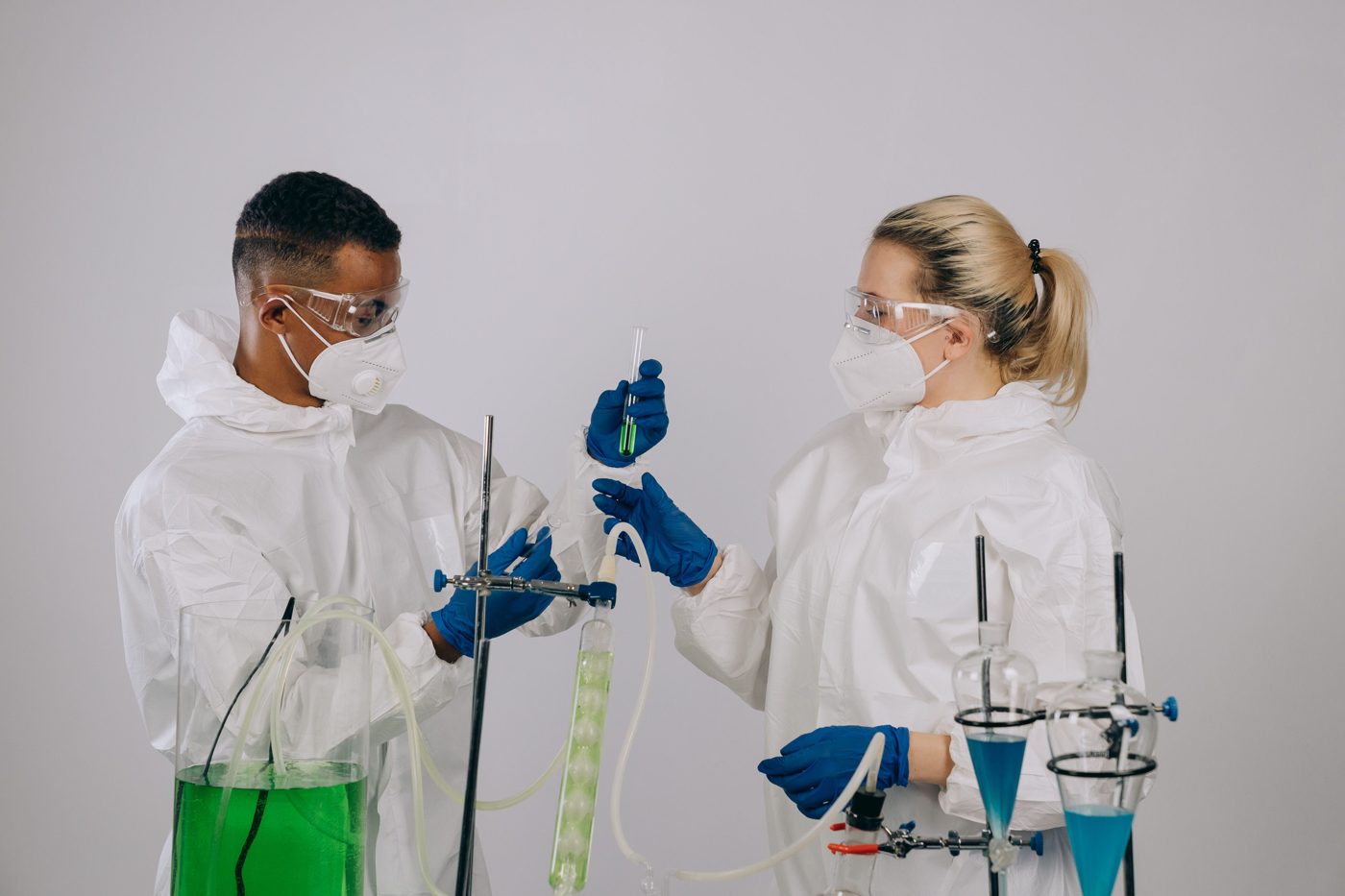
Work photographs are representative examples of the activity described. They are not evidence of a specific TANEVOR, NVIDIA, FAO or BRIDGE project. Product photographs show the model identified in their captions.