Our starting point
TANEVOR LTD is based in Ilorin, Nigeria. Our work begins with practical technology: devices, computer systems, electronics troubleshooting and technical support. Our wider direction brings together a curiosity about science, engineering and agriculture.
The work behind the brand
Independent technician work began in 2022. Phone and computer repair, electronics diagnostics and device support provide a practical foundation for the company. We aim to explain problems clearly, assess equipment carefully and help customers make informed choices.
A publication across eight sections
TANEVOR Insights brings together Technology, Engineering, Science, Agriculture, Sales & Products, Repairs & Technical Support, Business & Industry and company news. Each article connects the subject with its history, practical meaning and evidence.

Our direction
Our engineering, science and agriculture service sections are Coming Soon. Their news and guides are already available to read. Future service and project announcements will be shared when there is a confirmed development.
Our view
A wider vision becomes useful through consistent practical work. Clear service descriptions, tested equipment, understandable reports and honest follow-up are the habits we want to build on.
EXPLAINER
Turning a broad vision into visible work
The owner’s supplied context describes a company with ambitions across several sectors. A useful company publication can connect that vision with practical work while distinguishing current activity, educational coverage and future plans.
Explain the present clearly
Begin with the work and services that the owner can confirm are currently available. Give enough detail for a customer to know what problem can be addressed and how to make an enquiry. Where a service is still in preparation, state that status. The supplied Engineering page plan remains Coming Soon.
Use evidence that readers can understand
A future repair story could show the reported fault, the investigation, the authorised action and the verified outcome. A product story could show the actual unit and its assessed condition. A company update could describe a confirmed milestone with a date and an appropriate document or photograph.
Keep imagery honest
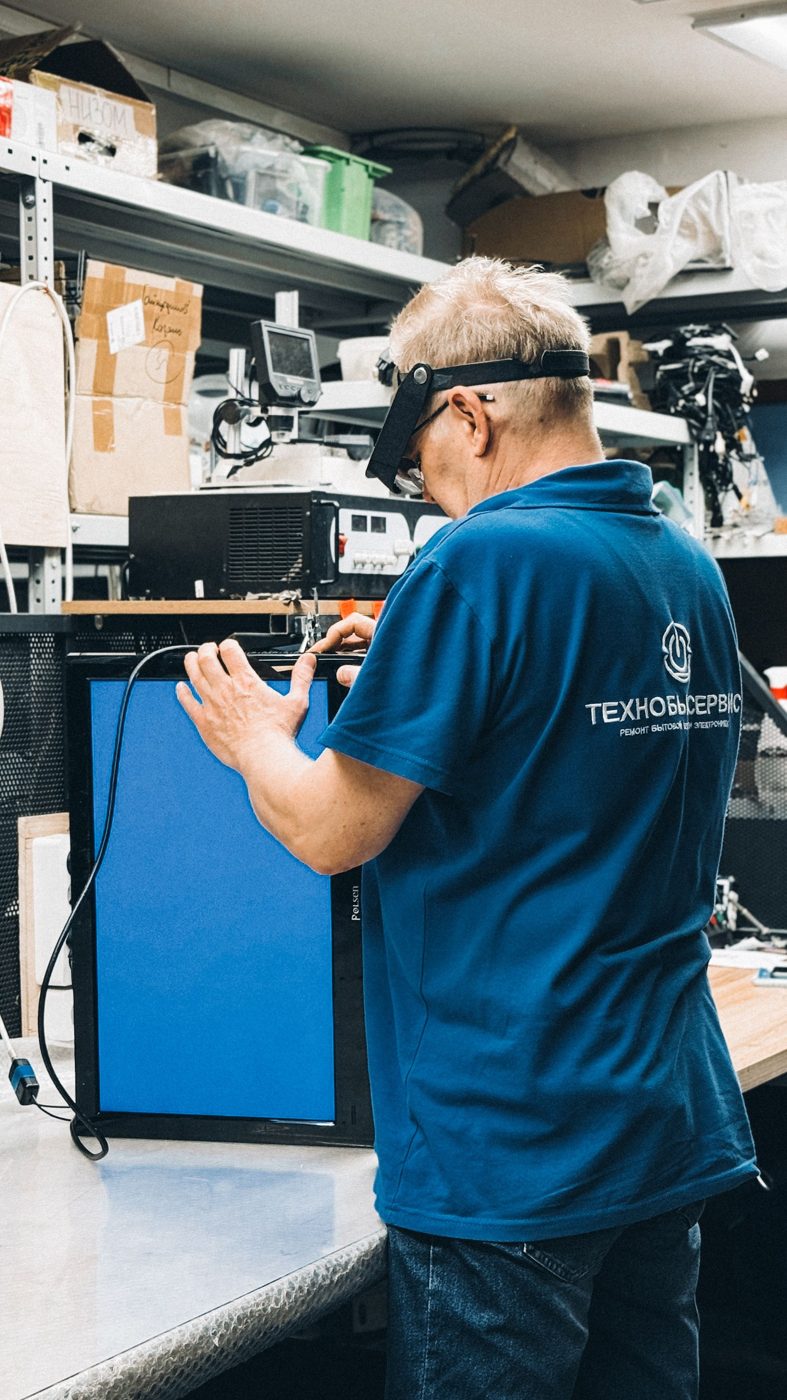
The workshop image here shows the kind of hands-on technical activity discussed. It is a representative stock photograph, not a picture of the owner or the TANEVOR shop. Future photographs from TANEVOR’s actual work can give the publication a more personal identity, with permission for customer devices or people shown.
Build depth through consistency
A company can publish thoughtful science and industry analysis without claiming to operate every sector it covers. Our editorial direction is to make the subject understandable, explain the practical relevance and report its own milestones only when they are confirmed. That helps future ambitions sit alongside credible present work.
PRACTICAL GUIDE
A proposed content plan for later issues
This is a newly drafted editorial plan for owner review. It sets out how the eight sections can keep developing; it does not announce completed partnerships, a new operating division or a fixed publication schedule.
Continue the strongest stories
Technology can follow a useful software workflow or a major platform development. Engineering can explain power and industrial systems. Science can examine a study and its limits. Agriculture can connect a tool with a farming decision. Each story should state the date, source and what the evidence establishes.
Make customer-facing sections practical
Sales & Products can compare specifications, condition and ownership needs. Repairs can explain a diagnostic method or a documented repair. Business & Industry can connect infrastructure and technology with a measurable workflow. These sections should help readers make a decision or understand a process.
Reserve company news for confirmed milestones
TANEVOR News can cover verified services, owner-approved announcements and actual project outcomes. Future proposals should be labelled as proposals. A partnership should be reported only when it exists and can be described accurately; a stock photograph should never stand in for evidence that it happened.
Use a repeatable article structure
Prepare a clear opening, dated facts, an explanation, a practical example, photographs with truthful captions and linked sources. Keep the TANEVOR view separate from reported evidence. Before release, check dates, figures, names, image credits and unsupported claims. This process offers a practical way to build the publication over time.
Work photographs are representative examples of the activity described. They are not evidence of a specific TANEVOR, NVIDIA, FAO or BRIDGE project. Product photographs show the model identified in their captions.