Continue the strongest stories
Technology can follow a useful software workflow or a major platform development. Engineering can explain power and industrial systems. Science can examine a study and its limits. Agriculture can connect a tool with a farming decision. Each story should state the date, source and what the evidence establishes.
Make customer-facing sections practical
Sales & Products can compare specifications, condition and ownership needs. Repairs can explain a diagnostic method or a documented repair. Business & Industry can connect infrastructure and technology with a measurable workflow. These sections should help readers make a decision or understand a process.
Reserve company news for confirmed milestones
TANEVOR News can cover verified services, owner-approved announcements and actual project outcomes. Future proposals should be labelled as proposals. A partnership should be reported only when it exists and can be described accurately; a stock photograph should never stand in for evidence that it happened.
Use a repeatable article structure
Prepare a clear opening, dated facts, an explanation, a practical example, photographs with truthful captions and linked sources. Keep the TANEVOR view separate from reported evidence. Before release, check dates, figures, names, image credits and unsupported claims. This process offers a practical way to build the publication over time.
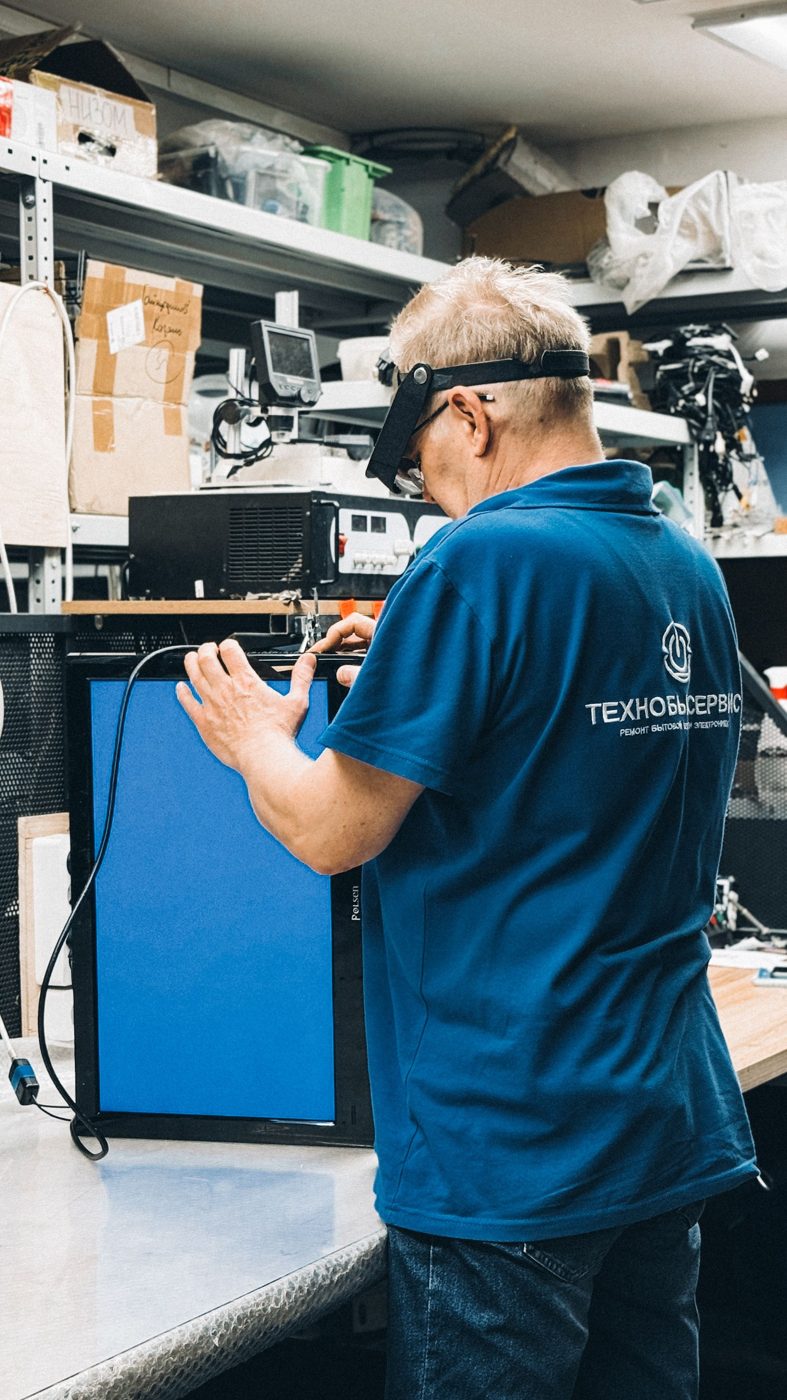
Work photographs are representative examples of the activity described. They are not evidence of a specific TANEVOR, NVIDIA, FAO or BRIDGE project. Product photographs show the model identified in their captions.