Start with approved information
Prepare a short, current knowledge sheet containing opening hours, service categories, contact details and approved wording for guarantees. Keep individual customer records separate. Give the assistant only the information needed for its task, and require a person to approve each outgoing reply during the pilot.
Test realistic cases
Include easy questions, unclear questions and requests the business cannot answer yet. For example, “Do you have this laptop today?” requires current stock information. A good response should ask for confirmation when that information is missing. A polished reply that invents availability is a failed test.
Measure the result
For a sample of 40 enquiries, record how many drafts were usable without editing, how many needed corrections and how much time staff spent reviewing them. If 30 drafts were usable, that is a 75% acceptance rate in this example. It is not an industry benchmark or a TANEVOR result. Compare the entire review process with the previous method.
Decide what comes next
Expand only when the workflow produces an observable benefit. A drafting assistant may be useful before an assistant that changes orders or handles payments. Document who owns the information, who checks updates and how staff handle failures. Useful automation should make a small process more dependable as well as faster.
Sources & further reading
Research checked for this issue on 5 October 2026. Publication dates refer to the source; practical examples are labelled in the text.
- NVIDIA
Vera Rubin Ramps Into Full Production to Power Agentic AI Factories Worldwide ↗
31 May 2026 - NVIDIA
Rubin: Six New Chips, One AI Supercomputer ↗
5 January 2026
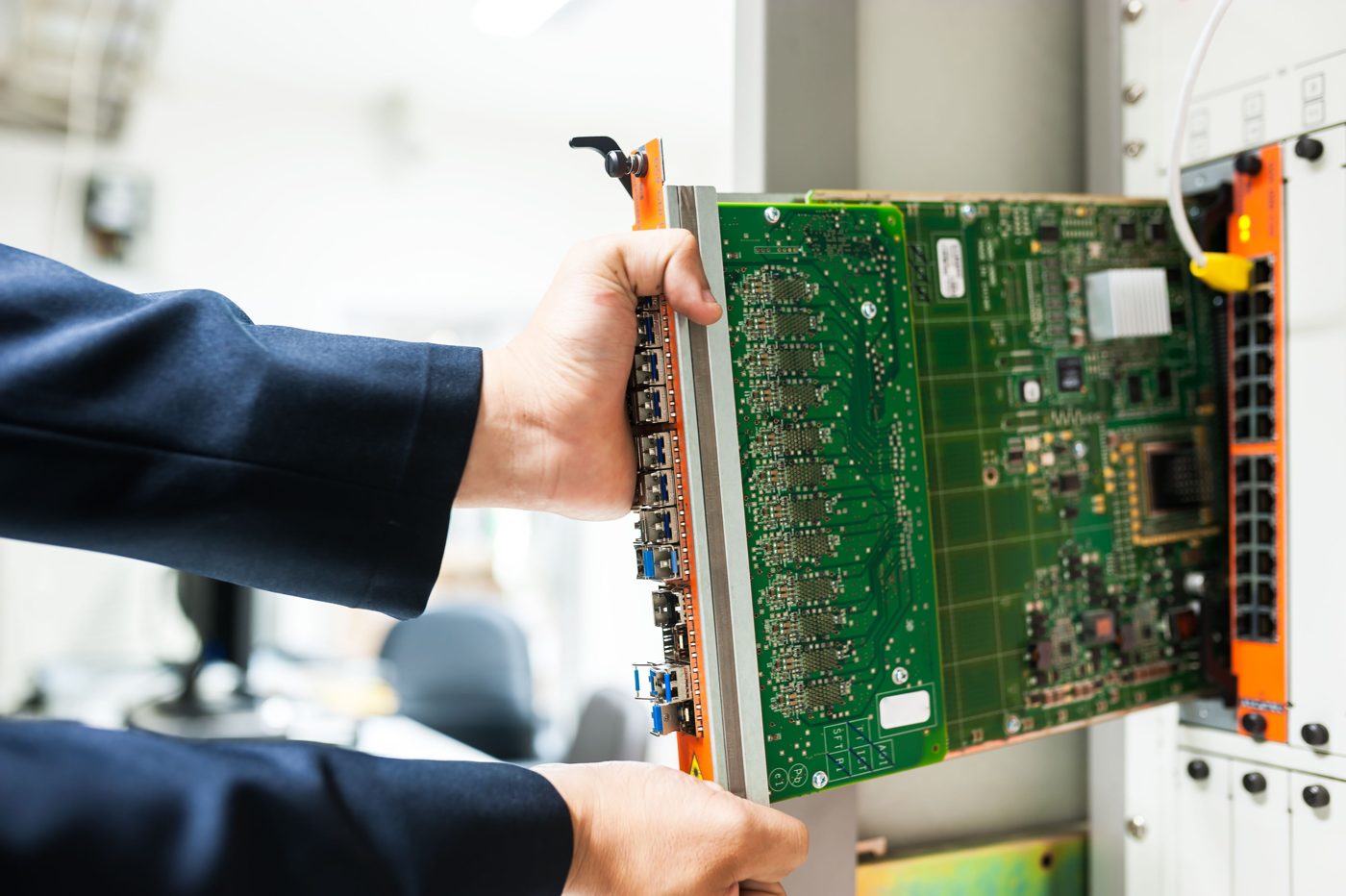
Work photographs are representative examples of the activity described. They are not evidence of a specific TANEVOR, NVIDIA, FAO or BRIDGE project. Product photographs show the model identified in their captions.